
A parent’s involvement in their child’s schooling always has a great impact on that child’s academic success.
In other words, clear and effective two way communications between both the parents and teachers are imperative not only to the academic excellence of the child but also their mental health.
However, with family life constantly evolving, parents often have multiple commitments on top of their full-time workload. This can make parent-teacher meetings less likely. But as imperative as it is for parents and teachers to meet, the new age of technology has found multiple ways for teachers and parents to communicate, without necessarily having to step into the same room.
The Importance of Parent Teacher Communication
Parents are some of the best teachers and role models that a child can have, which makes it  vital for parents to take an active interest in their children’s academic life. There is also a lot of evidence and research that shows that children whose parents take an active interest in their academic life perform better than most students.
Other than their academic performance, positive relationships with teachers will also greatly improve the mental health and stability of their children, making it all the more important for you to keep positive relations with your children’s teachers.
What is Good Communication between Parents and Teachers?
From the start, both the student’s parents as well as the teachers should establish clear methods of communication, and communicate frequently. Every year teachers should decide along with parents how they will communicate with them as well as on what days they will communicate.
Throughout this decision-making process, both the teacher and the parent will also have to decide on the form of communication as well to streamline things. While most parents prefer the tried and true face-to-face meetings, many parents cannot often make the time to meet teachers. This is why schools and other institutions are leveraging various other forms of communication with the help of present day technology.
Forms Of Communication Most Institutions Use:
Radio or Podcasts:
Radios and podcasts are a great form of communication that only a handful of schools have developed to stay in contact with parents. It is also the simplest, yet most powerful medium that some schools in the United States are using to great effect.

These radio channels and podcasts discuss issues regarding the school or schooling system in general while conveying messages from specific schools to parents who are listening. The podcast doesn’t have to be a professional project, but a student driven podcast dedicated to spreading information to parents who take an active interest in their child’s life.
The biggest benefit is that parents can listen to the podcast on the go and learn more about the day to day process of the school. These podcasts can also be a virtual window into the classroom of your child, as the hosts explain the events at the school day.
Blogs:
Blogs have also been a very effective medium when it comes to connecting parent with teachers. Blogs give parents an inside view of the classroom and allow parents to receive information about the school day at their own pace.
While you might be thinking that blogs are incredibly one-sided, that isn’t the case with every blog. Some blogs encourage comments, which make the blog feel less like a lecture and more like a conversation. The blog can also be a great conversation starter for families and helps parents’ to keep track of their child’s academic progress.
Moreover, a class blog does not just help parents keep track of how well their child is doing; rather they can also see how their syllabus is coming along and if the general class is having trouble with a given subject, which is important.
Email Newsletters or Letters:
With so many people now relying on emails for essential information, schools are starting to take advantage of this and are connecting better with parents.
Although most schools still send applications and letters through students in the hopes that it reaches their parents, other schools are sending these letters directly to parents via email. Not only is this way of sending emails more reliable and much more instantaneous, but thanks to their format they can be a lot more personalized and private.
Using these letters will also allow parents to reply to the teachers and talk to them about the contents of the letter.
Social Media:
Unlike the other forms of communications, social media is a very good tool that most institutions are already using to their fullest.

Social media is one of the biggest advertising platforms for every type of business or institute, including schools. Schools continually update their social media to show how their curriculum is going as well as how their students are coping with the said curriculum.
Social media essentially helps schools advertise themselves as well as create a platform for parents to talk and place their complaints about the school actively. Social media applications, like Snapchat and Instagram, also allow parents to get an in-depth look at the school daily.
Parent Teacher Communication Is Faster And More Accessible Through Technology
Building strong relationships between teachers and parents has never been easier thanks to the technology readily available to both parties. With the help of these communication methods, parents are starting to place more trust in the school system, and the school is getting much better feedback from the parents, directly.
You can find out more information about related topics on our blog:
4 Top Benefits of Private Tutors working together with Teachers
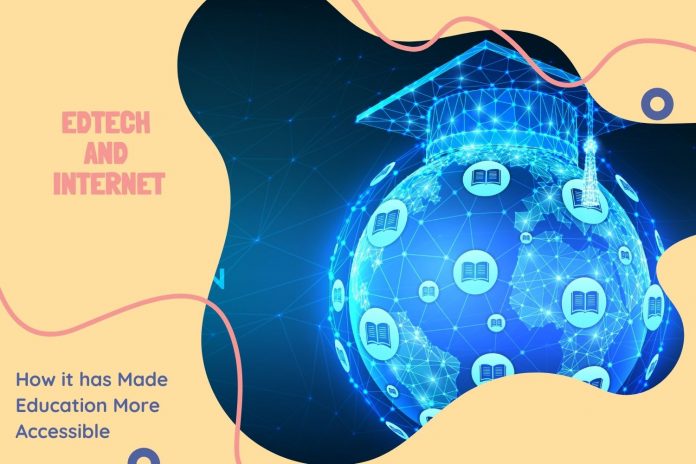


 From 2020 to 2021, many students spent a year or more in a completely virtual classroom. This sudden and dramatic rise in technological use has spurred the development of EdTech for all students.
 Before starting your first day of university, it is a good idea to focus on learning a bit about organizational issues.
  When you go to university, you must follow a new way of grading student work and getting credits, while the familiar rules you grew accustomed to at school no longer apply.
  Student life is not just about studying, getting credits, and growing intellectually. Remember, it is also an opportunity to meet new friends, form real friendships, and even find a partner for the rest of your life or network for
  The decision to go to university is not just about submitting the required documents and starting your studies. Where you will live is also important, so it is best to decide as early as possible to find a perfect


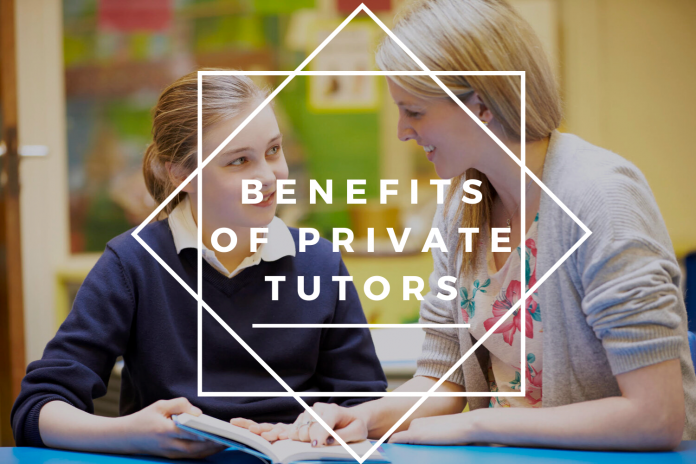
 Although it may seem relatively straightforward, some parents are unfamiliar with the role that a private tutor can play compared to their child’s teacher.
 Teachers and tutors should be striving to achieve the best learning outcomes for their students, and private tuition is to supplement rather than replace classroom learning. As such, private tutors should follow the lead of the student’s school and provide the necessary support. This can only happen if they communicate about the individual learning goals and curriculum taught regularly.
 Unfortunately, it is a fact of life that teachers suffer the same time constraints as anyone else. They will need to schedule the entire curriculum into class time and won’t have the time to recover some topics.
 It is impossible for a teacher to devout all their attention to one student, and, sadly, this may mean that some fall behind. On the other hand, a private tutor can focus all their attention on one person, addressing their individual needs. Often, struggling students are reluctant to ask questions in class, fearful of what their peers will think.
 All international schools welcome a diverse range of students, often of different nationalities and different cultures. However, one thing that is common with all is that parents, teachers, and tutors all share the same objective, which helps a child achieve their potential.
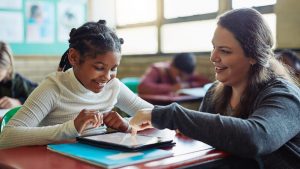 No child enjoys struggling at school, and they will always feel a stigma attached to it. Tutors will often get to know students on a more personal level and, as such, be able to formulate teaching plans with the schoolteacher that suit particular students and support them with their
  If you feel that your child is not doing as well as they could at school or have any concerns, you should always discuss them with the class teacher or school first. Students experience a range of different emotions and challenges, so it is vital that you get to the root cause of the problem. Most schools will have a list of private tutors who they are happy to recommend. However, you can choose your own tutors, but again care should be taken to ensure that their lessons follow those of the school and that they communicate well.
 This question requires an individual answer, depending on the level of additional assistance that is required. Some students may only need additional tutoring for a few weeks, while for others, it may be ongoing. The school will be able to give you a clearer indication, and they will be familiar with the challenges that your child is experiencing. It is crucial to remember that everyone’s learning style is different and that you as a parent can equally support your child.
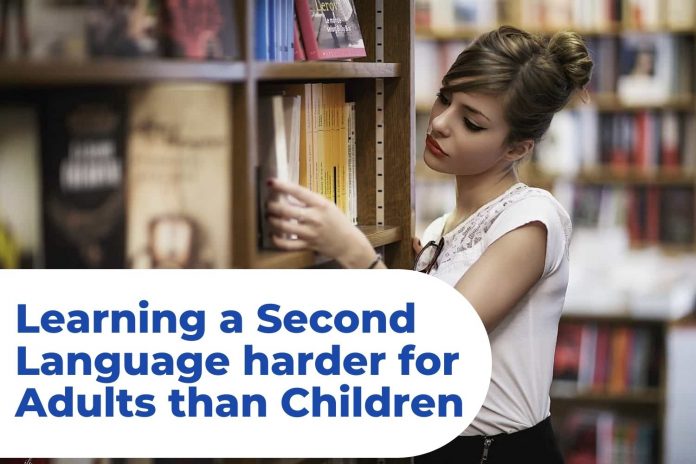
 Most kids can learn new languages just as a native language. On the other hand, many adults struggle with learning a new language. However, some struggle more than others. If you have several adults study a new language within the same timeframe, some will learn faster than others. According to
 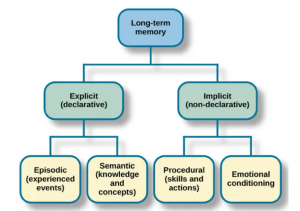 While
While  The fact that it is harder to learn a new language as an adult shouldn’t stop you from trying. A major problem with learning a second language as an adult is cross translation. The need to always revert to your first language to express yourself better is a significant hindrance. It means that you have words in the second language that you can’t use to express yourself independently of the first language because these words are interconnected and referenced with your native language.


 When we talk about Veganism in the classroom, it’s often tied in with discussions about